
Sangrur was the capital of the Jind princely state, one of the three Phulkian states along with Patiala and Nabha. The Bunga Diwan Todar Mal, a haveli-style heritage building, and the Baradari Gardens are the surviving princely-era pieces. The town is small, Malwa-Punjabi to its core, and doesn’t yet have the tourist inflation of Patiala — prices are lower, the bazaars are working markets not curated experiences.
Nabha, 30km east, is the other Phulkian capital and combines well as a day trip. Together they show what Punjab princely towns looked like before Patiala got polished. Skip if you want anything resembling a nightlife or scene; come if you want a slow, real Malwa day with historical texture. Autumn (October-November) is the best season — post-monsoon greenery, cool evenings.
Where to stay in Sangrur
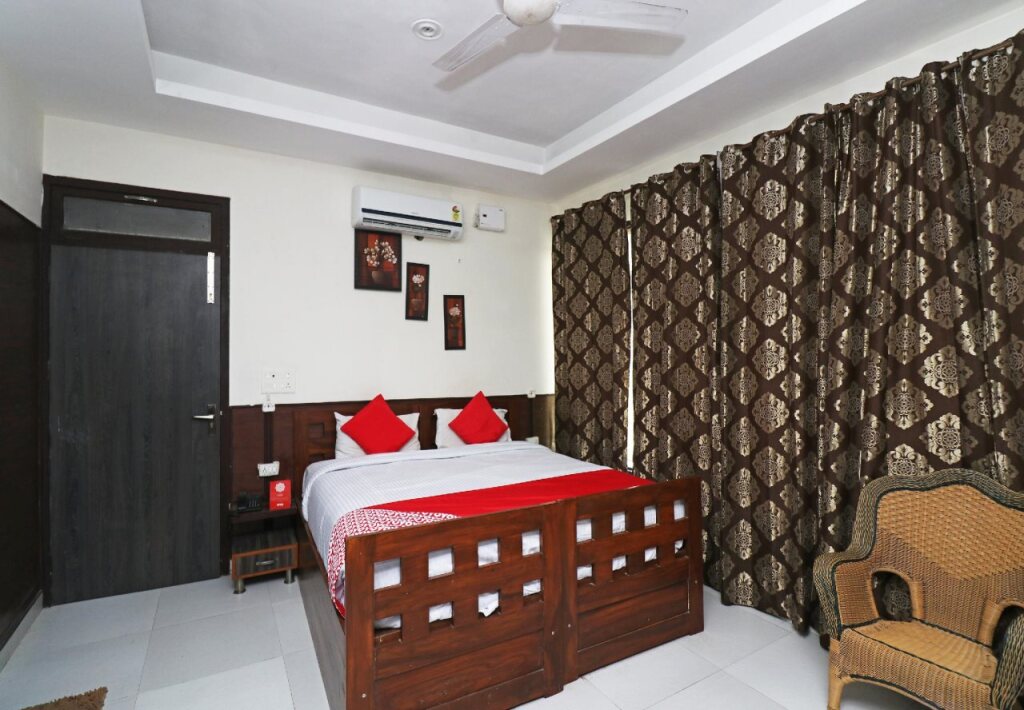
Small hotel scene — mid-range $30-50 on the Patiala road and near the bus stand. No international chains. Basic guesthouses $15-25 in the old town. For a heritage stay, Nabha's Hira Mahal (still partly royal-family owned, occasionally opens rooms) is the interesting option — call directly, not via booking sites. Patiala (55km, 1 hour) has better hotel infrastructure and works as a base for Sangrur-Nabha day trips.
Things to do in Sangrur
Start at Baradari Gardens for a morning stroll, walk south into the old bazaar for phulkari and jutti shopping (prices lower than Patiala), continue to Bunga Diwan Todar Mal for the exterior, then back via the Ghanta Ghar clock tower. Half day covers it easily with a chai break.
All walking routesGetting there & around Sangrur
No airport — Chandigarh (100km, 2 hours) or Ludhiana (75km, 1.5 hours). Sangrur railway station has passenger trains on the Bathinda-Jind line, limited frequency. Most travelers arrive by bus from Patiala ($1.50, 1 hour), Ludhiana ($2.50, 1.5 hours), or Bathinda ($2, 2 hours). Inside town, cycle-rickshaws ($0.30) cover everything. For Nabha, shared taxis from the main bus stand run $1 per seat.
Good to know
Hotels in Sangrur
See all stays Sangrur →Curated picks are coming — meanwhile, the live search covers every bookable property at the same price or better.
Reads on Sangrur
All blog posts →Blog guides and articles dedicated to this area — what to do, where to stay and how to plan the day.