Punjab’s museums and memorials, without losing the day
To-the-point visit guides: the minimum you must see and which gallery it sits in, real opening hours, and every free-entry window — from Virasat-e-Khalsa to the small district museums almost nobody visits.




How to do Punjab’s heritage sites without ruining the trip
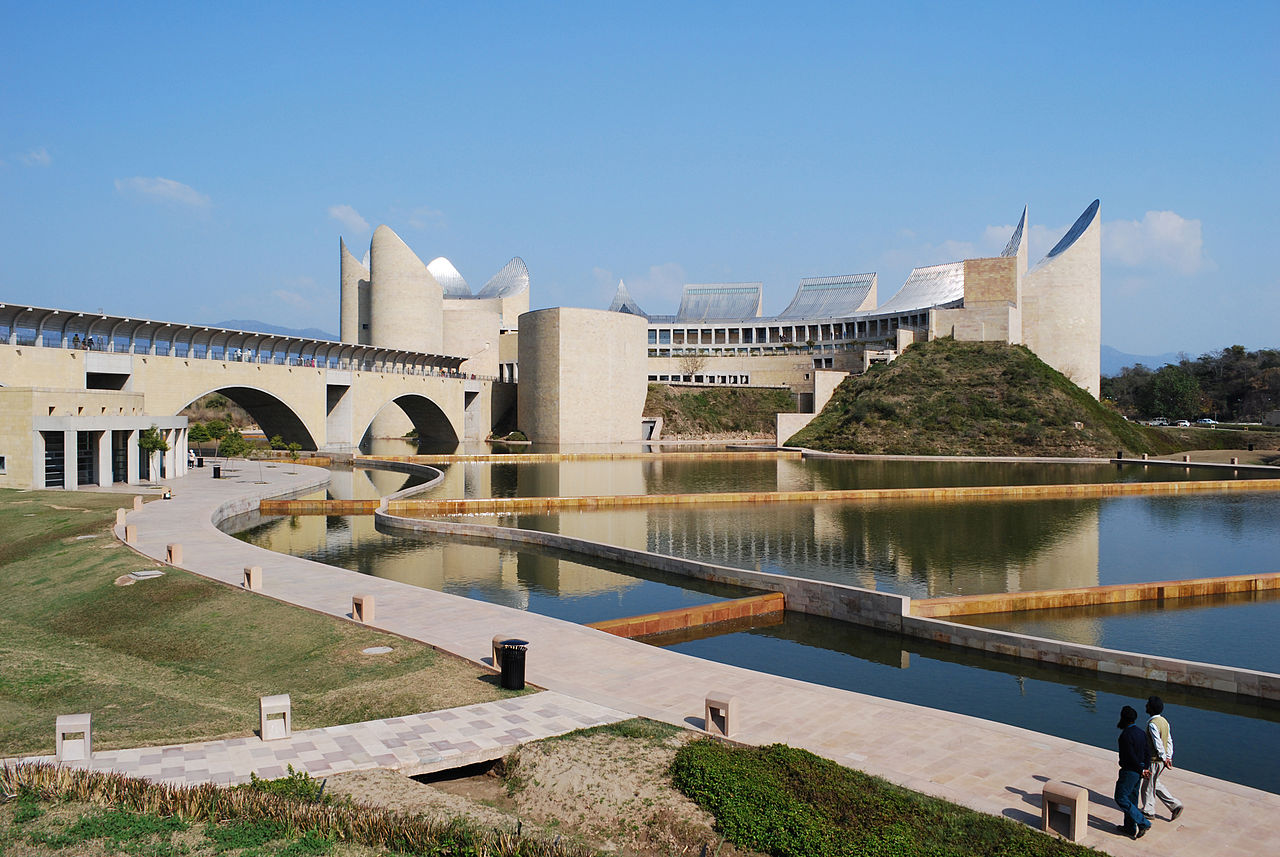
Punjab spreads its major museum experiences across the state rather than a single mile, so trip planning matters more than in a compact museum-city. The flagship is Virasat-e-Khalsa at Anandpur Sahib — an architectural set-piece the size of a small campus — and Amritsar owns the twin heavyweights of the Partition Museum and the Golden Temple’s Central Sikh Museum. Chaining all three in a day is possible only on paper: one major site per day, opened at 10 am and left by noon, remains the rule of the traveller who goes home happy.
The other rule is to read the calendar before the map: most state and trust-run museums close on Mondays, Virasat-e-Khalsa rests on Mondays too, and several district collections — the Maharaja Ranjit Singh Museum in Amritsar, the Sheesh Mahal galleries at Patiala — are morning museums that lock their doors around 5 pm. Gurdwara museums attached to living shrines stay open long hours and are the reliable safety net for public-holiday days.
The free-entry masterplan
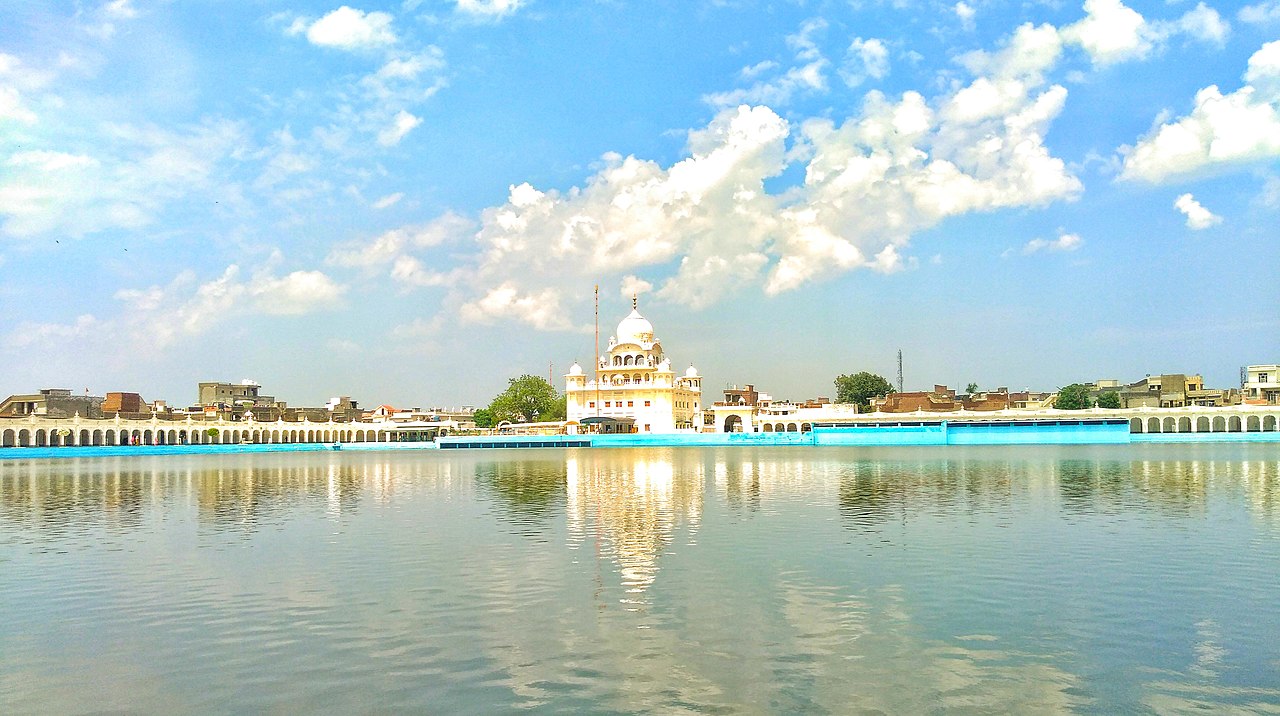
Punjab is arguably the Indian state where the most first-rank heritage can be seen for nothing — if you know which sites run on donation and which on ticket. The Central Sikh Museum inside the Golden Temple complex is free every day it opens (roughly 7 am to 8 pm); Gurdwara Baba Atal Sahib’s painted galleries beside it, likewise; the small museum at Gurdwara Fatehgarh Sahib and the interpretive gallery at Takht Sri Kesgarh Sahib are always free, funded by the sangat.
Add the always-free tier at temples with historical galleries — Durgiana Temple in Amritsar, Devi Talab Mandir in Jalandhar, Kali Devi Mandir in Patiala — and the free heritage walks run by the Amritsar tourism office on weekend mornings, and a full week of cultural sightseeing can cost less than one ticket to Virasat-e-Khalsa (which itself is only ₹200). Each guide below lists its exact free window.
Which museum for whom
First visit, one morning: Virasat-e-Khalsa at Anandpur Sahib, audio guide in hand — the two crescents of galleries tell 500 years of Sikh history in a walkable loop. The twentieth century and the trauma of 1947: the Partition Museum in Amritsar. A compact history of Sikh martial heritage in two hours: the Central Sikh Museum inside the Golden Temple. With children under ten the big sites exhaust everyone — the working armouries at the Qila Mubarak in Patiala and the model city at the Maharaja Ranjit Singh Museum win by a distance.
For the heritage-saturated partner, the marble parikrama of the Golden Temple at sunset and the light-and-sound show at Gobindgarh Fort in Amritsar are museums that don’t feel like museums. And if the state shuts down on a Monday — the feared combination — you still have every gurdwara complex, the temple galleries, and Gobindgarh Fort, which never takes a day off.
Sleeping beside the heritage trail
Geography helps: the old walled city around the Golden Temple in Amritsar puts the Partition Museum, the Central Sikh Museum, Jallianwala Bagh and Gurdwara Baba Atal Sahib under ten minutes’ walk apart, with plenty of cheap guesthouses pressed against the complex. For the Anandpur Sahib circuit (Virasat-e-Khalsa, Takht Sri Kesgarh Sahib, the nearby forts), the town’s pilgrim serais and Rupnagar’s hotels are the natural base.
Sleeping close turns the early-morning windows into a zero-logistics plan: gates open at 7 am, back by 10 for breakfast, out again at 4 pm when the light softens. Every museum guide links its area and nearby hotels at the foot of the page.