1 stage, 1 place to sleep
Open a stage to see what you pass and where to stay that night.
Planning the Rural Doaba Ride — the practical guide
The Rural Doaba Ride covers 45 km from Jalandhar to Kapurthala in a single stage. It is designed as one committed day — start early and let the terminus town absorb the evening. You ride it in the order written, but every stage town works as an entry or exit point, so the route sections cleanly for shorter trips.
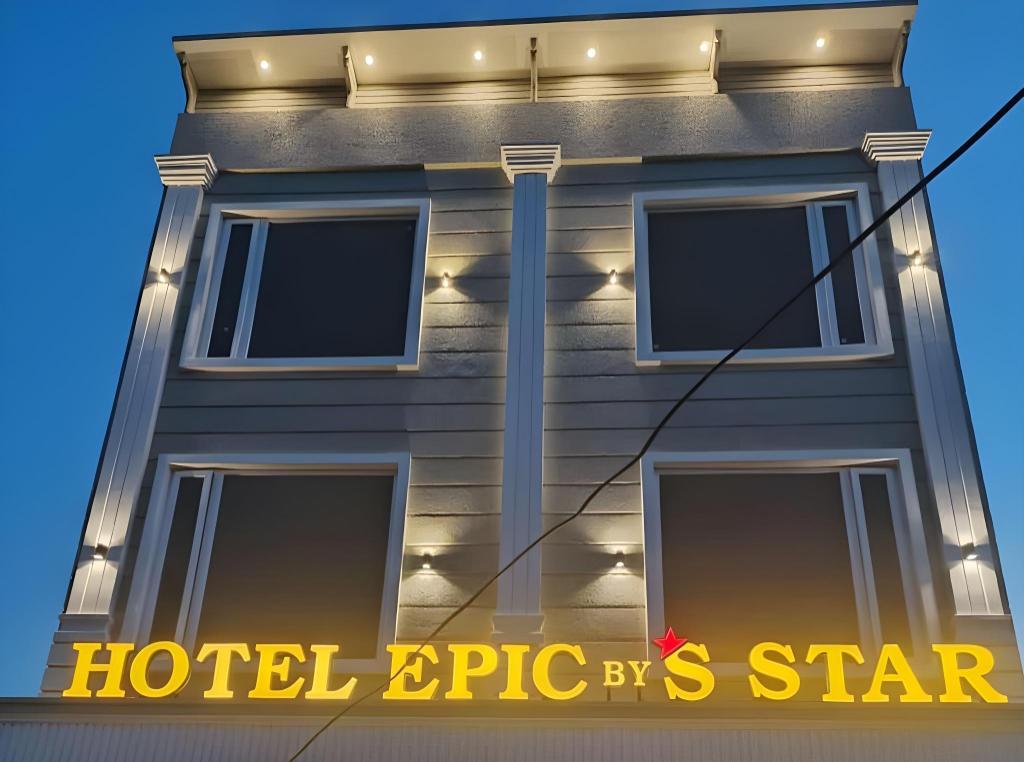
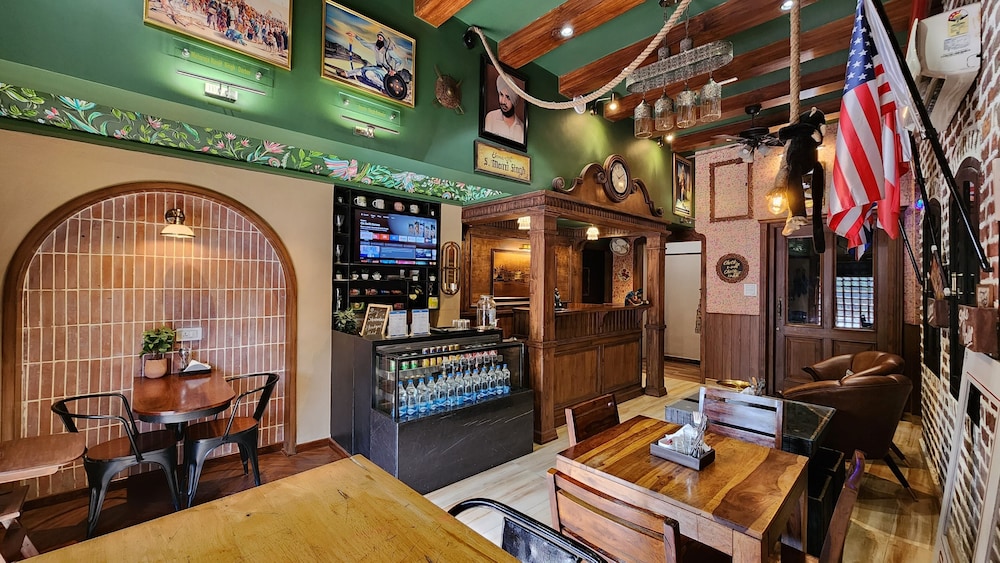
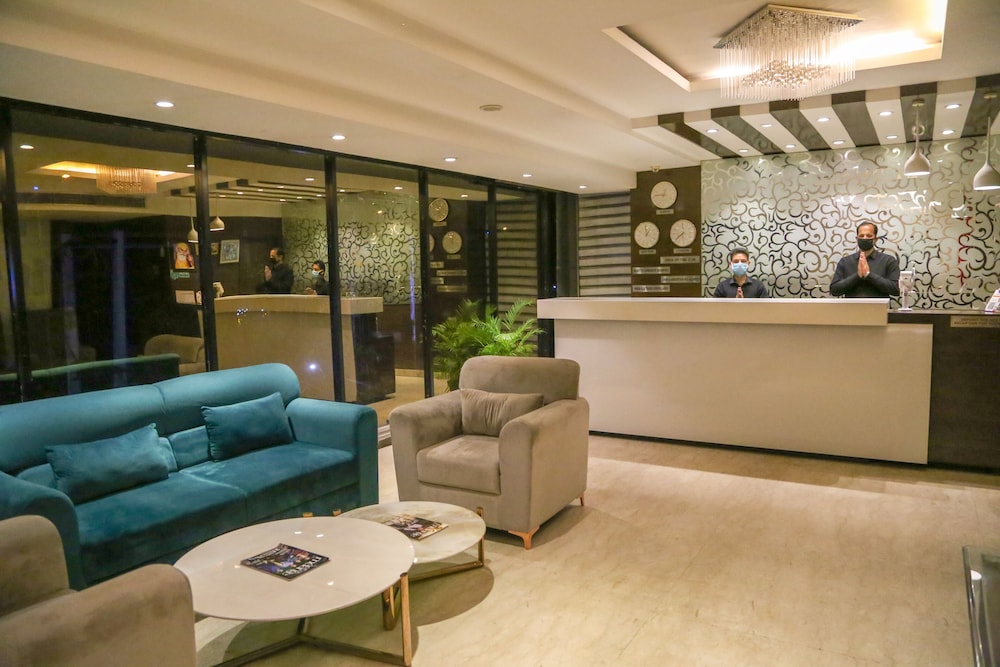
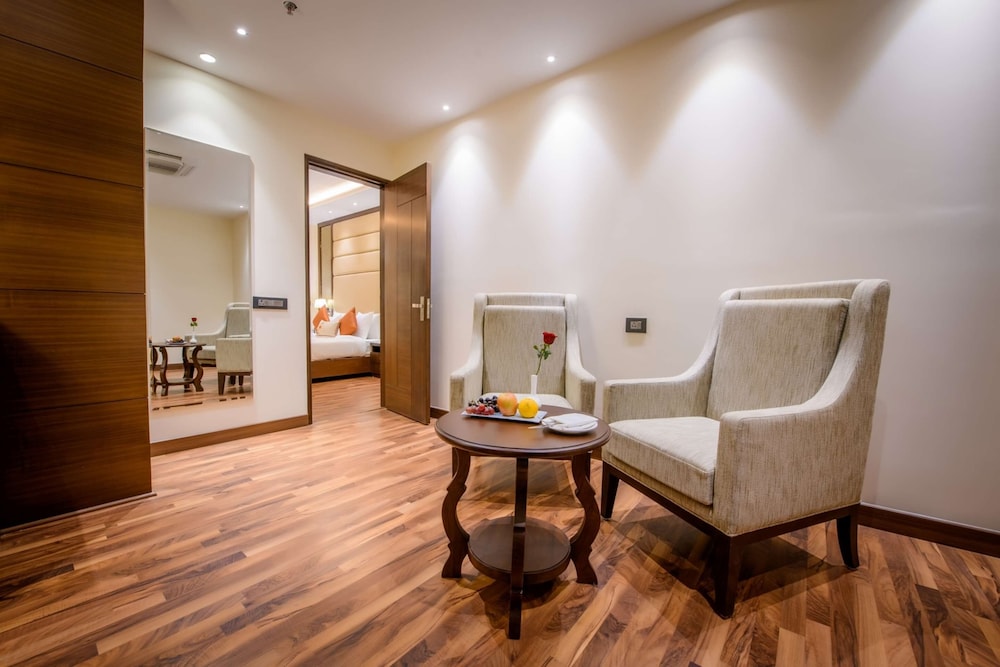
Overnights run Kapurthala — each bookable from the stage cards above. Book the smallest stops first: a village with a handful of guesthouses sells out weeks before a resort with fifty.
Planning & pacing
Cycling in Punjab is criminally underrated. The Doaba (between the Beas and Sutlej) is flat, well-linked by village roads, and dotted with dhabas every few kilometres. The Bhakra canal service track from Ropar to Nangal is one of the best rides in North India — 50-odd kilometres of paved, near-traffic-free path along water, with the Shivaliks always to your right. And Chandigarh, uniquely in India, was designed for bikes and still has the infrastructure, even if locals prefer to drive their Fortuners around the sector loops.
You will need to bring your own bike or hire from a limited pool: Chandigarh has a few rental outfits (₹500-1,000/day for a decent hybrid), Amritsar has almost nothing beyond city cruisers, and rural Punjab has none. If you’re doing the canal ride, hire in Chandigarh, drive up with the bike on a rack, and start from Ropar. Distances are short enough that a moderately fit rider can do any of the routes here in a single day.
When to go
November through February — same story as everything else in Punjab. Cold mornings (start after 8am), warm afternoons, low humidity, and stable weather. The mustard bloom in January-February makes the Doaba ride particularly photogenic; the Sutlej canal in December is quiet and the water still.
March gets hot fast, and by April you’re looking at 35°C+ by mid-morning. Summer cycling is genuinely dangerous in Punjab — dehydration, heatstroke, and blinding glare off the fields. Monsoon (July-Sept) is out; even the canal service road washes out in patches.
What to pack
Bring your own helmet — rentals rarely include one that fits properly. High-visibility clothing helps on the shared roads in the Doaba, where cars pass close and fast. Puncture repair kit and a spare tube: cycle shops are non-existent outside Chandigarh and Ludhiana, and finding one on a Sunday in rural Kapurthala district will ruin your afternoon.
Carry more water than you think — 2 litres minimum for any ride over 30 km. Gurdwaras all along these routes have free jal (water) and often chai; use them. A phone mount and a power bank matter because you’ll be navigating village lanes on Google Maps, and rural network coverage is spotty on some stretches near Nangal.
Transport & logistics
Chandigarh's Sector 17 has two hire shops that will do multi-day rates; ask for a hybrid or a hardtail MTB rather than the standard city bike, especially for the canal route where the service road has occasional gravel. Trains from Delhi and Amritsar accept bikes as parcel luggage but the process is slow — allow 2-3 hours at each end and expect to disassemble the front wheel.
For overnight rides, Anandpur Sahib has decent budget accommodation around the Virasat-e-Khalsa complex; Kapurthala has one heritage-adjacent hotel and several utilitarian ones. Neither town has cycling infrastructure — lock up carefully, ideally inside your hotel compound rather than street parking. Support vehicles are easy to arrange through the Chandigarh rental outfits if you want luggage carried.
Eating along the route
Cycling in the Doaba means dhabas and gurdwaras. Roadside dhabas serve enormous stuffed parathas with butter and pickle — good pre-ride fuel but heavy for mid-ride. Gurdwara langar is lighter (dal, sabzi, roti, kheer) and always free, though you should leave a donation at the gate. Don’t refuse the meal if invited; it's rude, and the food is generally excellent.
For the Chandigarh sector loop, plan a stop at Sector 8's Backpackers Café or the Sector 26 grain market for post-ride food. For the canal route, the town of Nangal has decent chai stalls near the dam viewpoint and a couple of vegetarian dhabas. Carry energy bars and dry fruit — real ride food is not always available when you want it, especially between villages.
Safety & local rules
The single biggest risk is heat — even in winter, midday sun in exposed fields can push 25°C and dehydration creeps up fast. Drink before you’re thirsty, wear a cap, and avoid riding 11am-3pm from March onwards. Traffic on the Doaba village roads is mostly slow (tractors, motorbikes, the occasional truck) but blind curves and unmarked speed bumps are constant — never assume the road ahead is clear.
Dogs are a real issue in rural Punjab. Village dogs chase bikes, especially at dawn and dusk. Slow down, don’t sprint (that triggers the chase reflex more), and carry a small stick or an ultrasonic dog deterrent if you’re doing long rural routes. Serious bites are rare but any bite requires a rabies vaccination course, so it's not a risk to dismiss.
Rural Doaba Ride: questions, answered
Hotels along this route
See all stays →Curated picks are coming — meanwhile, the live search covers every bookable property at the same price or better.