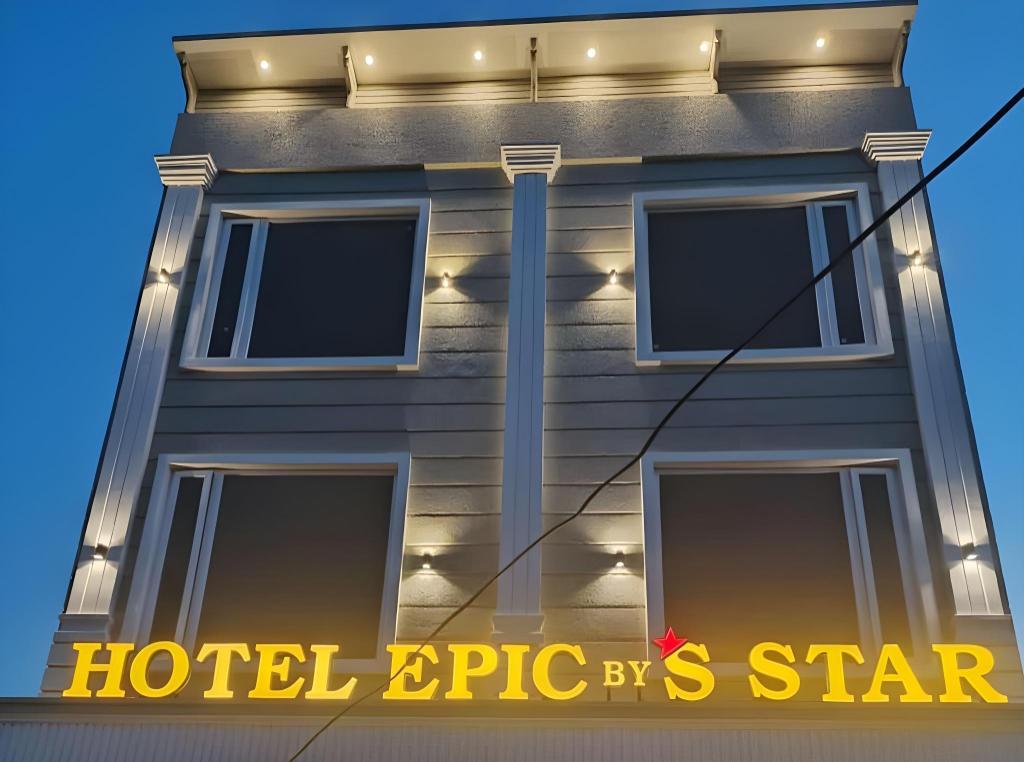
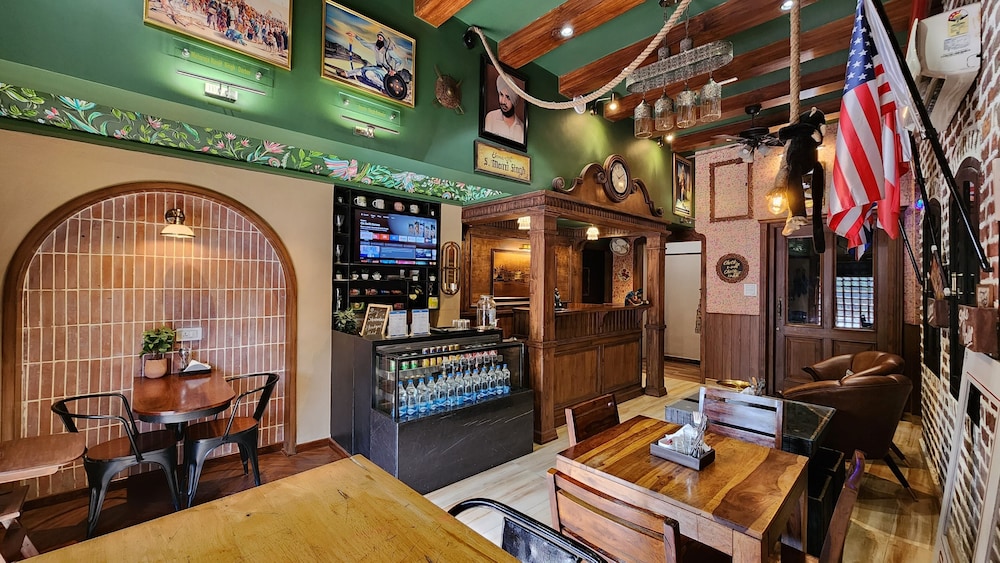
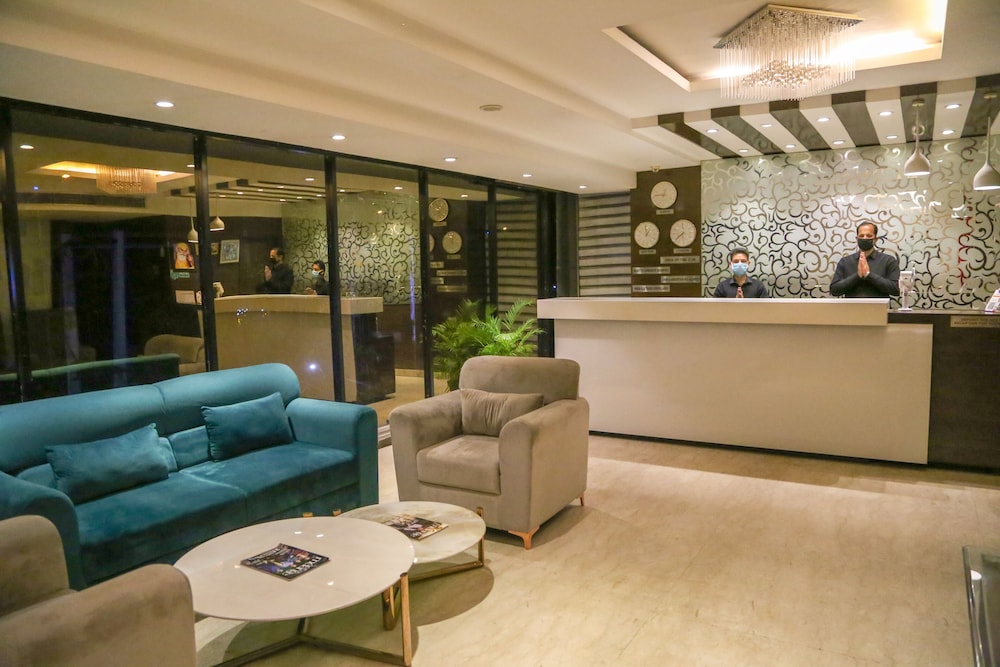
2 stages, 2 places to sleep
Open a stage to see what you pass and where to stay that night.
Planning the GT Road Classic — the practical guide
The GT Road Classic covers 235 km from Amritsar to Chandigarh in 2 stages averaging 118 km. The longest day is stage 3 (90 km, ending in Chandigarh); the gentlest is stage 2 at 60 km into Ludhiana. You drive it in the order written, but every stage town works as an entry or exit point, so the route sections cleanly for shorter trips.
Overnights run Jalandhar, Ludhiana, Chandigarh — each bookable from the stage cards above. Book the smallest stops first: a village with a handful of guesthouses sells out weeks before a resort with fifty.
Planning & pacing
Punjab is small — you can cross the state end to end in a long day — but that flatters the map. Trucks on the GT Road, tractor traffic on rural links, and slow single-lane state highways in the Malwa belt mean planning by hours, not kilometres. Budget 40-50 km/h average outside the four-laned NH corridors, and less if you want to actually stop for the dhabas and gurdwaras that make the trip worth doing. A self-drive from Delhi via Zirakpur is the standard way in; hired cars with drivers cost around ₹3,500-5,000 a day including fuel for a sedan.
The three loops in this guide — GT Road, Shivalik foothills, and Malwa — cover the honest mix of what Punjab is: pilgrimage plains, factory cities, cotton fields, and the low hills where the Sutlej breaks out. Don’t try to combine all three in under five days; you’ll spend the whole trip in the car. Pick one anchor city (Amritsar or Chandigarh, both have real airports) and radiate. Ludhiana and Jalandhar are useful for logistics but nobody visits them for pleasure — sleep there only if the timing forces it.
When to go
October to March is the only sensible window. November mornings can be foggy enough on the GT Road to close it for hours — check before you leave Delhi. December and January are cold (down to 3-4°C at night) but crisp and clear by mid-morning, and the mustard fields around Ludhiana and Sangrur are in full yellow bloom through mid-February. This is peak season for a reason.
April onwards it heats up fast; by May and June the plains sit at 42-45°C and driving after 10am is genuinely unpleasant. The monsoon (July-September) is short and patchy in Punjab but brings serious potholes and waterlogged underpasses in the older cities. If you must travel in summer, do the Shivalik foothill loop — it's a few degrees cooler and the Sutlej is running high, which is when it actually looks like a river.
What to pack
For winter driving, layers matter more than heavy coats: a fleece plus a windproof shell handles both foggy dawns and warm afternoons. Sunglasses are non-negotiable — the low winter sun sits directly in your eyes for two hours either side of noon on east-west routes like the GT Road. Carry a head covering (any scarf will do) if you plan to enter gurdwaras, which you will, because they are the best rest stops in Punjab.
For the car itself: a working spare, a proper jack, and a torch. Fuel stations are frequent on national highways but sparse on the Malwa state roads after dark. Cash still matters in dhabas outside the big cities — carry ₹2,000-3,000 in small notes. Google Maps is generally accurate but has a bad habit of routing you through village lanes to save two minutes; if the road narrows suddenly, trust your instinct and turn back to the highway.
Transport & logistics
Self-drive rentals from Zoomcar and Revv operate out of Chandigarh and Amritsar; expect ₹2,500-4,000 a day for a hatchback plus fuel. Zirakpur, on the Chandigarh outskirts, is the practical pickup point if you’re arriving by train at Ambala. Toll charges across the state add up — budget ₹800-1,200 one-way Delhi-Amritsar on the NH44, all electronic via FASTag which is mandatory.
Parking is easy everywhere except old Amritsar and central Ludhiana. Near the Golden Temple, use the multi-level plaza on Heritage Street (₹50-100 for the day) rather than trying to nose into the katras. Highway dhabas — Puran Singh in Ambala, Amrik Sukhdev at Murthal just outside Punjab, or Ranjit's in Jalandhar — all have safe open lots and are the correct places to break a long drive.
Eating along the route
The dhaba is the whole point of a Punjab road trip. On the GT Road, three names matter: Puran Singh Da Vishal Dhaba at Ambala (Haryana side but the last serious stop before Punjab), Amrik Sukhdev at Murthal (also Haryana, but every Punjab-Delhi driver stops here for parathas), and Ranjit's Sweets on the Jalandhar bypass for the mid-drive break. Inside Punjab proper, the roadside kulcha stalls between Ludhiana and Ambala do amritsari kulchas better than most restaurants in Amritsar itself.
Dinner in the cities: Kesar Da Dhaba in Amritsar for the classic thali (been there since 1916, tastes it), Pal Dhaba in Chandigarh's Sector 28 for late-night mutton curry and rumali roti, and Gopal Sweets in Ludhiana for chhole bhature at breakfast. Vegetarians are extremely well served everywhere; committed carnivores should ask specifically for tandoori chicken in Amritsar or a Patiala butter chicken in its home town.
Safety & local rules
The main road hazard in Punjab is trucks — long-haul freight moves at all hours and lane discipline is theoretical. Overtaking on two-lane state highways requires patience; wait for a clear stretch, don’t try to squeeze past. Keep a safe following distance because trucks brake hard and often without warning. Dawn and dusk are the worst — glare, plus tractors and cyclists appearing suddenly from side roads.
Petty crime on the road is genuinely uncommon; Punjab is one of the safer states in India for driving. Basic precautions: don’t leave visible valuables in a parked car, use dhaba parking rather than roadside pull-offs after dark, and if you’re stopped at a police checkpost — which happens on the border belt — be polite, produce your driving licence and car papers, and you’ll be waved through in two minutes.
The GT Road Classic: questions, answered
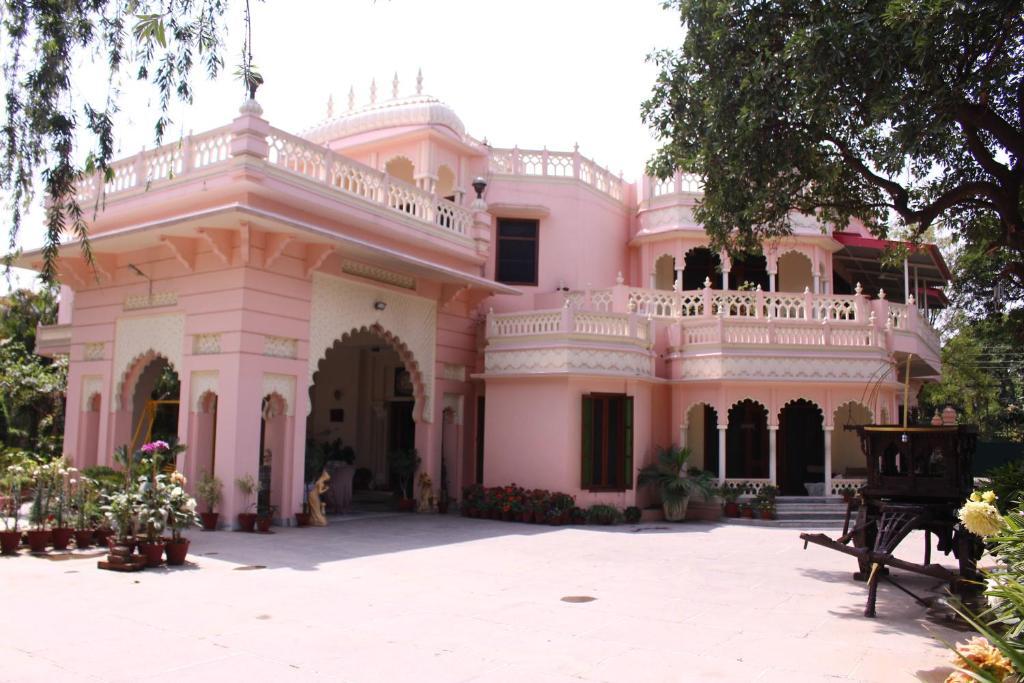
Hotels along this route
See all stays →Curated picks are coming — meanwhile, the live search covers every bookable property at the same price or better.